


The transformation of a single piece of paper into art through folding, without any cutting or gluing, is the purest form of patience and elegance. The roots of this art, which we see today in modern designs and the unique earrings of Shopinsiastretch back thousands of years to the lands where paper was first invented. So, how did this fascinating journey of origami begin?
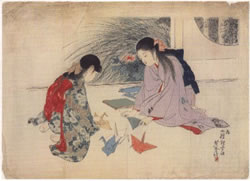
The Invention of Paper and the First Folds
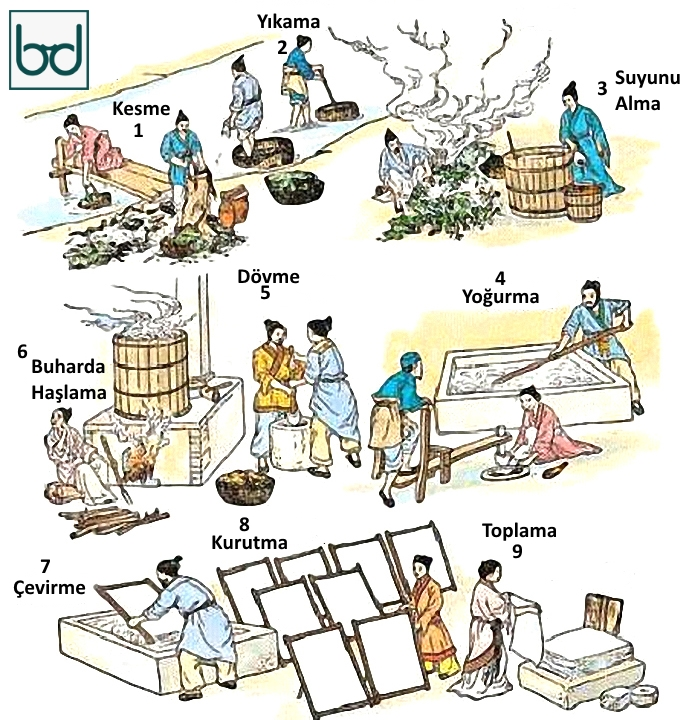
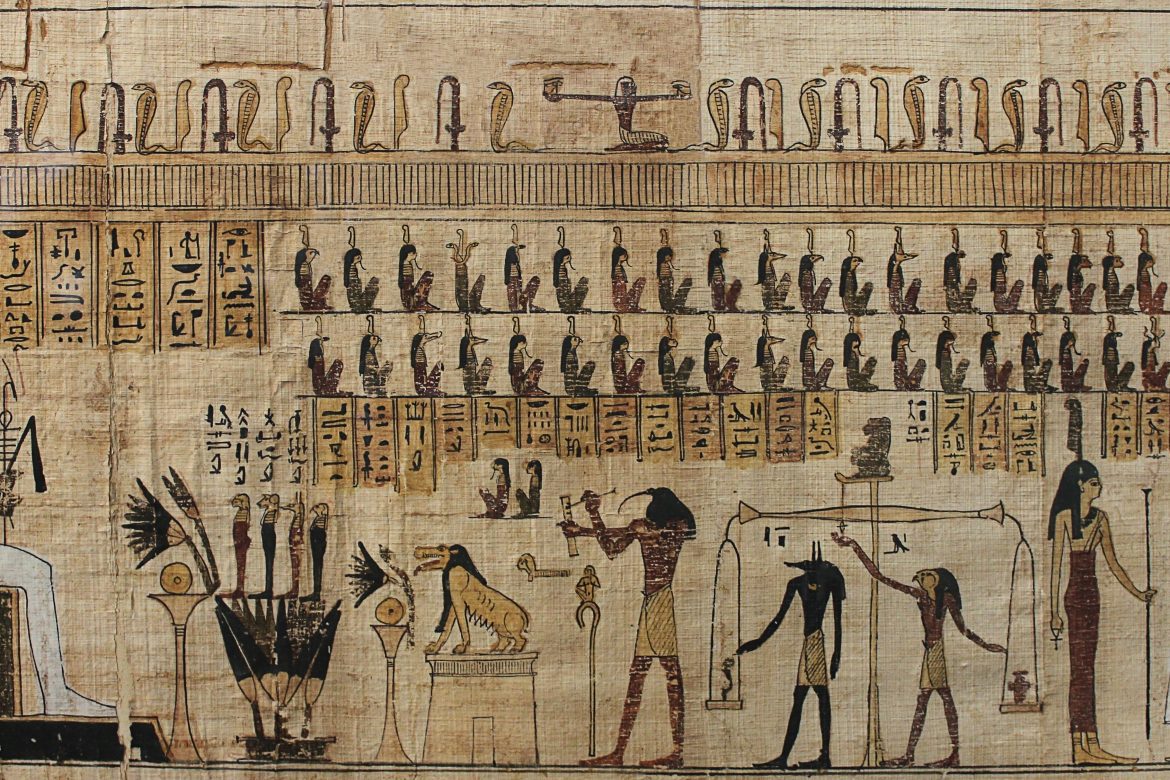
The story of origami began with the invention of paper in China in 105 AD. In the beginning, because paper was an extremely rare and valuable material, it was used only in religious ceremonies and among the elite. Folding paper to create symbols was a sign of respect and wealth during that period.
Becoming a Discipline in Japan: "Ori" and "Kami"
Origami found its true soul in Japan. Formed by the combination of the Japanese words "Ori" (to fold) and "Kami" (paper) this art became an inseparable part of Japanese culture over time.
Samurai: They would exchange gifts with "Noshi," specially folded pieces of paper, to bring each other luck.
Weddings: Paper butterflies (Ocho and Mecho) were attached to sake bottles to represent union and togetherness.
The Modern Era and Artistic Evolution
In the mid-1900s, thanks to masters like Akira Yoshizawa, origami transformed from an activity solely for children into a global art form. Today, this ancient technique is used in a wide range of fields, from architecture and space technology to fashion. Shopinsia's modern and stylish jewelry designs are everywhere.
A Modern Interpretation of Tradition at Shopinsia
At Shopinsia we keep this thousands-of-years-old tradition alive in our atelier in Foça. By combining traditional folding techniques with a modern and timeless aesthetic, we handcraft each piece with a "slow fashion" philosophy. We offer not just a piece of jewelry, but a work of art that carries the elegance of the past.

